
Marine Insurers Cancel War Risk Cover as Iran Conflict Escalates
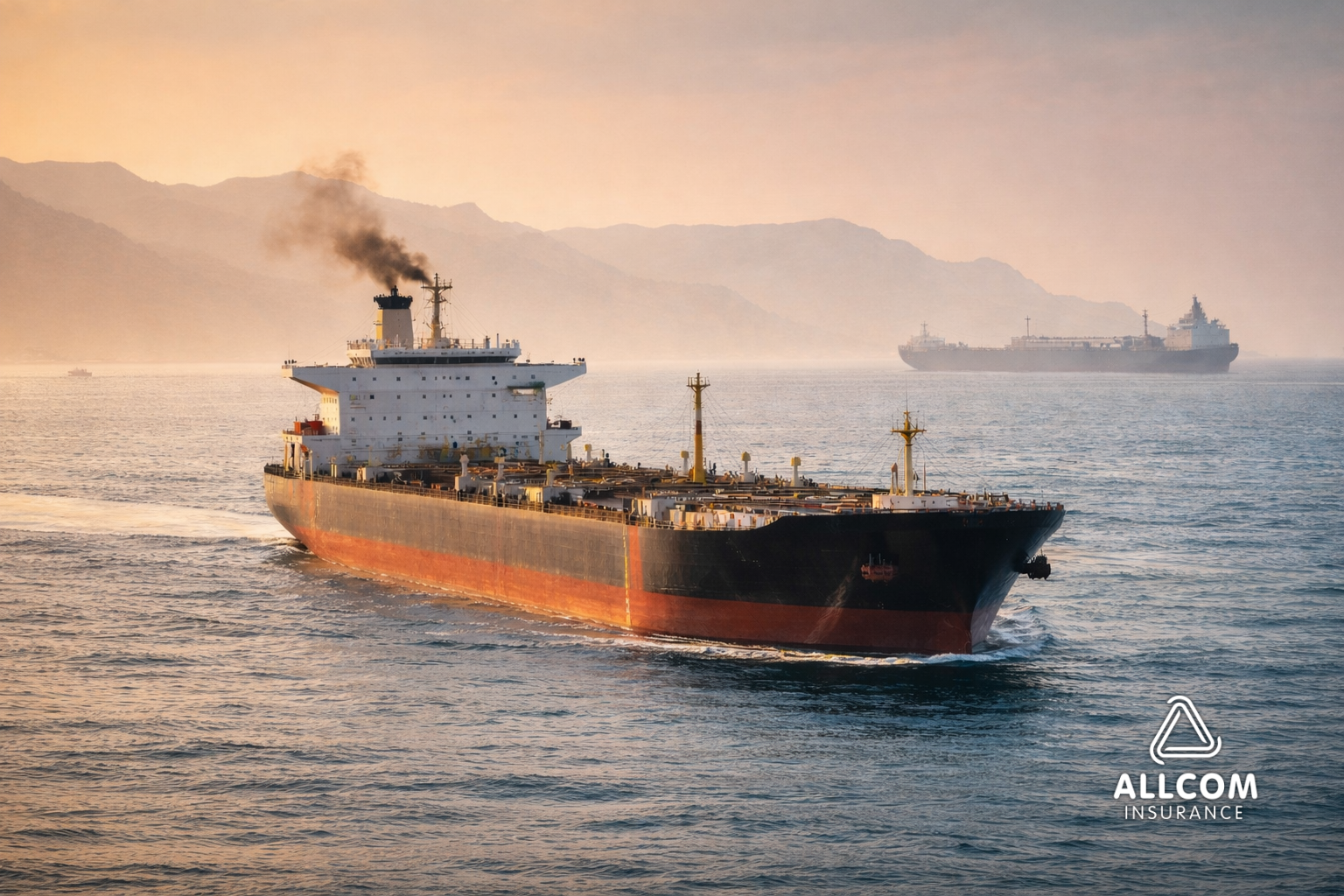
Global shipping markets are facing renewed volatility as marine insurers begin canceling war risk coverage in response to escalating conflict involving Iran. With vessels damaged, shipping lanes disrupted, and oil prices jumping nearly 9% in a single day, the ripple effects are already being felt across international freight markets.
At the center of the disruption is the Strait of Hormuz—one of the most strategically important shipping corridors in the world.
Why the Strait of Hormuz Matters
Roughly one-fifth of the world’s oil supply moves through the Strait of Hormuz, including exports from Saudi Arabia, the United Arab Emirates, Iraq, Iran, and Kuwait. Tankers transporting crude oil, liquefied natural gas, diesel, jet fuel, and gasoline depend on this narrow passage.
As tensions escalated following U.S. and Israeli strikes and subsequent retaliatory action, at least 150 vessels dropped anchor in or near the Strait. Reports indicate damaged tankers and at least one fatality among maritime personnel. The uncertainty has forced insurers and shipowners to reassess risk exposure immediately.
When one of the world’s most critical maritime choke points becomes unstable, the consequences spread far beyond the region.
Marine Insurers Pull War Risk Coverage
Several major marine insurers have announced the cancellation of war risk coverage in Iranian waters and surrounding Gulf regions. This includes coverage exclusions for vessels operating in or transiting through these high-risk zones.
Without war risk coverage, shipowners face dramatically higher financial exposure in the event of seizure, attack, or conflict-related damage. Some insurers are exploring limited buy-back options, but near-term premium increases are expected to range from 25% to 50%—and potentially much higher if commercial vessels become direct targets.
For shipping operators, this means:
Higher insurance premiums
Reduced underwriting availability
Increased scrutiny before entering high-risk waters
Potential rerouting or delays
In practical terms, insurance uncertainty alone can slow vessel movement—even before physical disruptions occur.
Oil Shipping Rates Surge
Even before the latest escalation, Middle East oil shipping rates were already climbing. Now, they are accelerating.
Spot rates for very large crude carriers (VLCCs) on key Middle East-to-Asia routes have nearly tripled since the start of 2026. Benchmark rates on the Worldscale measure have surged, reflecting increased risk premiums and vessel scarcity.
As shipowners hesitate to commit vessels to high-risk regions, capacity tightens. Meanwhile, energy-importing countries scramble to secure supply. The result is an exponential rise in freight costs.
Additionally, longer-haul routes—such as U.S. Gulf Coast or West Africa to Asia—may see increased demand as buyers diversify sourcing. That shift could support freight rates globally, not just in the Middle East.
Broader Supply Chain Impact
The freight market does not operate in isolation. Rising oil prices and tanker rates can quickly impact:
Fuel surcharges in trucking
Container shipping costs
Industrial production expenses
Consumer goods pricing
If instability persists, global supply chains may experience secondary shocks similar to those seen during prior geopolitical conflicts.
For trucking fleets in North America, rising crude prices often translate into higher diesel costs within weeks. Even carriers operating domestically should monitor developments closely.
What This Means for Risk Management
Periods of geopolitical instability expose weaknesses in risk planning. While U.S.-based motor carriers are not directly operating in the Strait of Hormuz, the downstream economic effects can impact operating margins, fuel budgets, and freight demand.
Key areas fleets should review include:
Fuel cost exposure and surcharge strategies
Contract rate protections during volatility
Cargo coverage adequacy amid rising goods values
Business interruption planning
Global events increasingly influence domestic freight markets. The companies that adapt quickly tend to weather volatility best.
Preparing for a More Volatile Global Market
The current situation remains fluid. Military build-ups, insurance pullbacks, and energy market reactions suggest that volatility could continue in the near term.
As global trade lanes face renewed uncertainty, carriers and logistics operators should prepare for:
Continued freight rate fluctuations
Potential fuel price spikes
Increased insurance underwriting scrutiny
Shifting import/export patterns
Having a proactive risk management strategy in place is critical.
At Allcom Insurance, we work with transportation businesses to navigate uncertain market conditions. Whether it’s evaluating cargo coverage limits, reviewing fuel-related exposure, or strengthening your overall risk posture, our team helps ensure your operation stays protected—even when global events create unexpected challenges.
Call 866-277-9049 or email info@allcomins.com to review your coverage and make sure your fleet is positioned for stability in a changing freight landscape.
The global shipping market may be volatile—but your risk strategy doesn’t have to be.