

Flood Damage Insurance:
What Property Owners Need to Know
Flooding is the most common natural disaster in the United States, and the damage is rarely covered by a standard homeowners or commercial property policy. When heavy rain, storm surge, snowmelt, or a failed levee sends water into your building, the financial hit can run into tens or hundreds of thousands of dollars — and without flood damage insurance, you pay every cent.
That gap catches property owners off guard every year. A 2026 FEMA report noted that just one inch of floodwater can cause over $25,000 in damage to a home, and commercial claims often run far higher. Flood damage insurance is built specifically to close that gap. It covers the structure, the systems inside it, and the contents you rely on to live or run your business. Here is what the coverage actually includes, what it costs, and how to make it work for your property.
What Does Flood Damage Insurance Actually Cover?
A flood damage insurance policy breaks into two main coverage buckets: building property and personal or business property.
Building coverage pays for the physical structure. That means the foundation, electrical and plumbing systems, HVAC equipment, water heaters, built-in appliances, and permanently installed fixtures like cabinets and flooring. If floodwater ruins your drywall, buckles hardwood floors, or shorts out your electrical panel, building coverage handles the repair or replacement.
Contents coverage protects what is inside. For homeowners, that means furniture, clothing, electronics, and portable appliances. For a business, it extends to inventory, equipment, tools, and office furnishings. Some policies also cover debris removal and the cost of bringing the property up to current building codes if local ordinances require upgrades during repair.
What it does not cover: damage from sewer backups unless you bought a separate endorsement, temporary living expenses (those come from a different policy), and property outside the insured building like landscaping, decks, and fences — those have limited or no coverage under most flood policies.
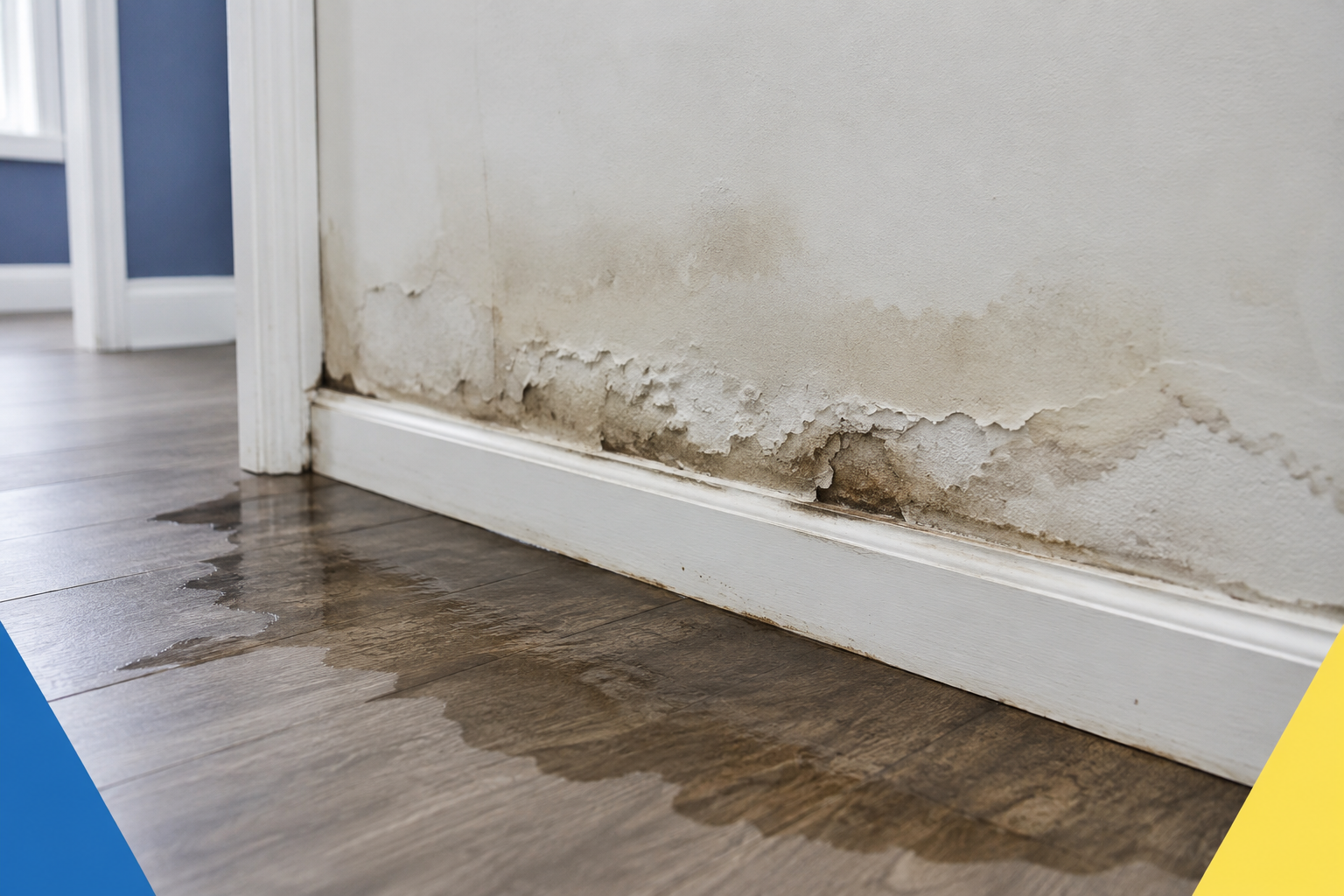
Is Flood Damage Covered by Standard Property Insurance?
No. This is the single biggest misunderstanding property owners have, and it costs them.
A standard homeowners policy, renters policy, or commercial property policy excludes flood damage almost without exception. The same goes for water that enters from outside — rising groundwater, storm surge, overflowing rivers, or heavy rain that seeps through the foundation. If water touches the ground outside before it enters your building, it is flood damage, and your standard policy will not pay.
The only source of flood coverage for most property owners is a dedicated flood damage insurance policy, either through the National Flood Insurance Program (NFIP) or a private carrier. Some commercial package policies can be endorsed to add limited flood coverage, but those endorsements are rare and typically come with high deductibles and low limits. If you are in a flood zone — or even near one — a standalone flood policy is the reliable path.
Who Needs Flood Damage Insurance?
The short answer: anyone with a mortgage in a high-risk flood zone is required to carry it. But mandatory purchase requirements miss the real picture. More than 40% of NFIP claims come from properties outside high-risk flood zones, according to FEMA data.
Property managers should carry flood coverage on every building in the portfolio, not just the ones the bank mandates it for. One uninsured flood loss can wipe out years of returns on a single property. Hotel owners face the same math — guest revenue stops the moment floodwater enters the lobby, and the rebuild timeline runs months, not weeks.
Event planners and venue operators have a different exposure. A flooded venue means cancelled bookings, lost deposits, and reputational damage that a liability policy will not touch. Business owners with equipment-heavy operations — restaurants, manufacturing, auto shops — need contents coverage at replacement cost, because used equipment values plummet the moment water hits.
Renters need flood coverage too. A landlord's policy covers the building, not your furniture, electronics, or personal property. A renters flood policy fills that gap, often for a few hundred dollars a year.
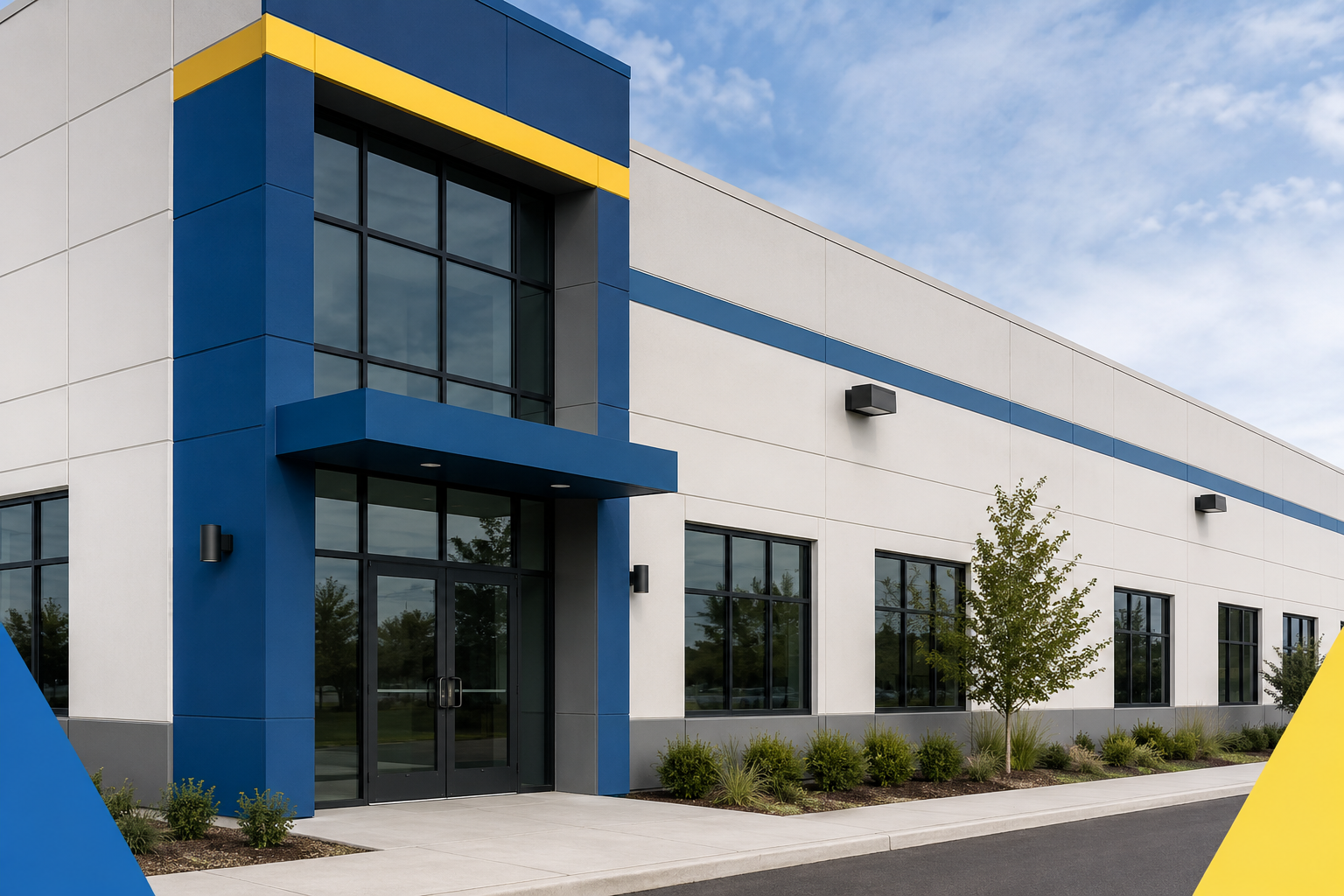
How Much Does Flood Damage Insurance Cost?
Flood insurance premiums depend on four factors: location, elevation, building characteristics, and coverage limits.
A property in a FEMA-designated high-risk zone (Zone A or V) will cost more than one in a moderate or low-risk zone. Elevation is the biggest pricing lever — if the lowest floor sits above the Base Flood Elevation, premiums drop sharply. The building's age, construction type, and the number of floors also matter.
For a single-family home in a moderate-risk area, NFIP policies often run between $500 and $1,200 per year for building and contents coverage. Commercial properties pay more — $2,000 to $10,000 annually depending on value, flood zone, and whether equipment and inventory are included.
Private flood insurance, which AllCom can source through a network of carriers and MGAs, can sometimes undercut NFIP rates — especially for properties with favorable elevation or recent mitigation upgrades like flood vents and raised equipment. Private policies also tend to offer higher coverage limits and business interruption options that NFIP does not. Because AllCom is a broker, not tied to any single carrier, you get multiple quotes side by side instead of one take-it-or-leave-it number.
How Do Flood Damage Claims Work?
You file a claim, an adjuster inspects the damage, and the carrier issues payment — but the timeline and the details matter more with flood claims than with most other types of insurance.
Step one is documenting everything before you start cleanup. Take photos and video of water levels, damaged areas, and ruined contents. Keep damaged items until the adjuster sees them unless they pose a health risk.
Step two is filing the claim promptly. Flood policies have strict notice requirements, and waiting too long can complicate coverage. Once filed, an adjuster will schedule an inspection, typically within a few days.
Step three is the proof of loss. You will need to itemize damaged property with estimated values and, where possible, receipts or purchase records. The more detailed your documentation, the faster the payment.
NFIP claims pay out based on Actual Cash Value for contents (replacement cost minus depreciation) and Replacement Cost Value for the building — but only if the building was insured to at least 80% of its replacement value. Private policies can offer more flexible terms, including agreed-value settlements and business interruption coverage that NFIP does not.
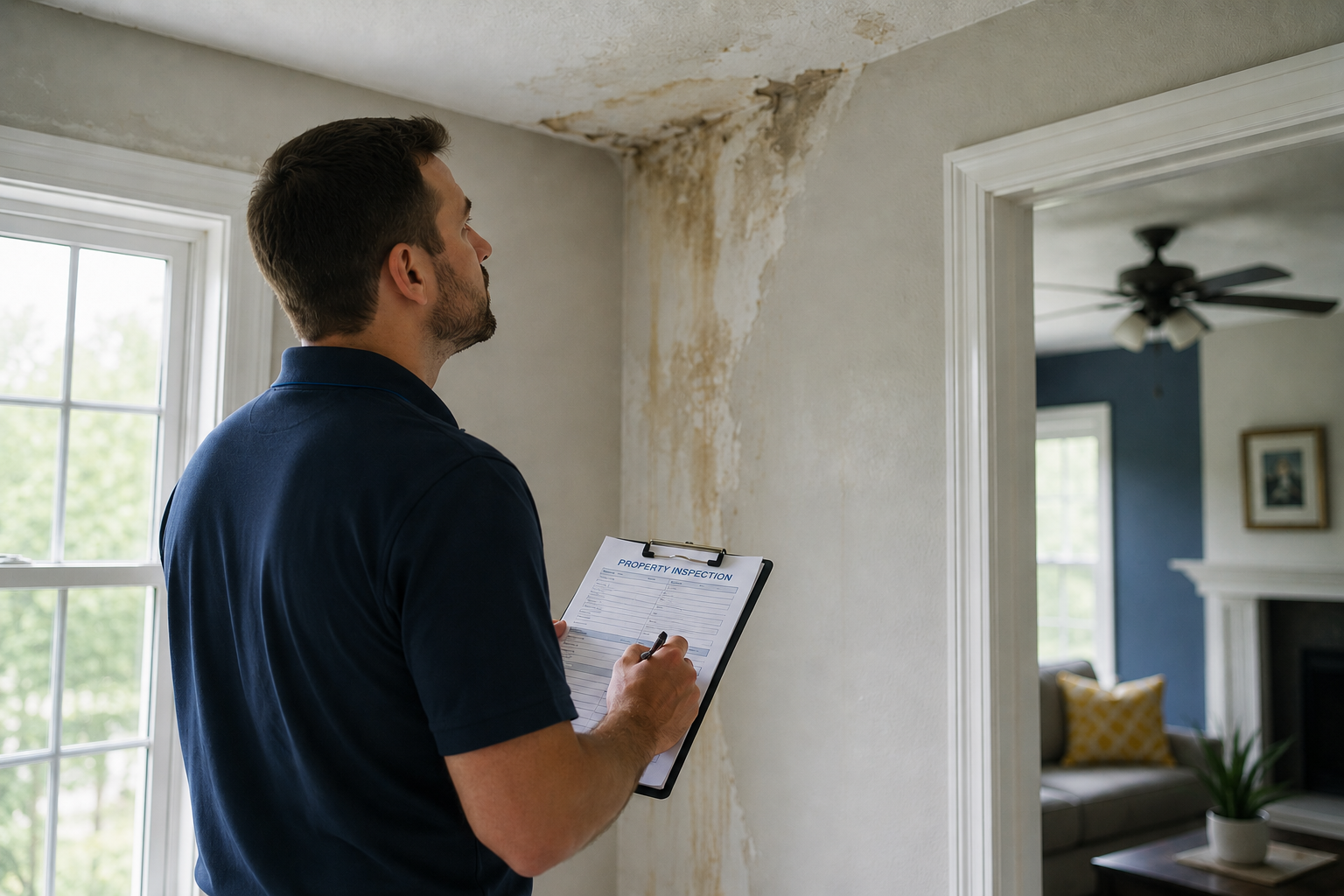
How to Choose the Right Flood Damage Insurance Policy
Start with your flood zone. FEMA's Flood Map Service Center tells you which zone your property sits in and what the Base Flood Elevation is. If you are in a high-risk zone, comparing NFIP and private quotes side by side is essential — but most property owners do not have the time or the carrier relationships to shop that on their own.
That is where an independent broker comes in. AllCom works with dozens of carriers and MGAs, so you are not stuck with one quote from one market. A broker who knows flood underwriting can check NFIP pricing, pull private quotes, and spot savings — like mitigation discounts for flood openings or raised foundations — that an online quote tool will miss.
Look at coverage limits and exclusions carefully. NFIP caps building coverage at $250,000 for residential and $500,000 for commercial. If your replacement cost exceeds that, a broker can layer an excess flood policy on top or find a private carrier willing to write higher limits.
Check the waiting period. Most flood policies have a 30-day waiting period before coverage kicks in, so you cannot buy a policy the week a hurricane is forecast and expect it to pay. Some carriers offer shorter windows, but never zero. A broker can tell you which options actually close the gap, not just which ones show up in a search result.
Get a Flood Damage Insurance Quote
Flooding does not give you time to prepare. If your property sits anywhere near water — a river, a coast, a low-lying road that collects runoff — the risk is real and the coverage gap is bigger than most owners realize.
AllCom Insurance is an independent broker with access to dozens of carriers and MGAs. We shop flood damage insurance across the market so property owners, landlords, hotel operators, and business owners get coverage that matches the actual exposure, not a one-size-fits-all policy from a single carrier. Call us or request a quote online to compare your options and lock in a policy that is priced right and built for how you use your property.
Related Coverages
General Liability Insurance Protects property owners and managers from claims if a tenant, guest, or vendor is injured on the premises due to flooding or other hazards.
Commercial Property Insurance Covers your building, equipment, and inventory against fire, theft, wind, and other perils — but not flood. Pair it with a flood policy for complete protection.
Equipment Breakdown Insurance
Equipment Breakdown Insurance Covers the cost to repair or replace HVAC systems, electrical panels, elevators, and machinery damaged by a sudden mechanical failure — including failures triggered by water exposure.