
Trailer Leasing Shows Incremental Growth — Trucking Fleets Pull Back in Prolonged Freight Slump
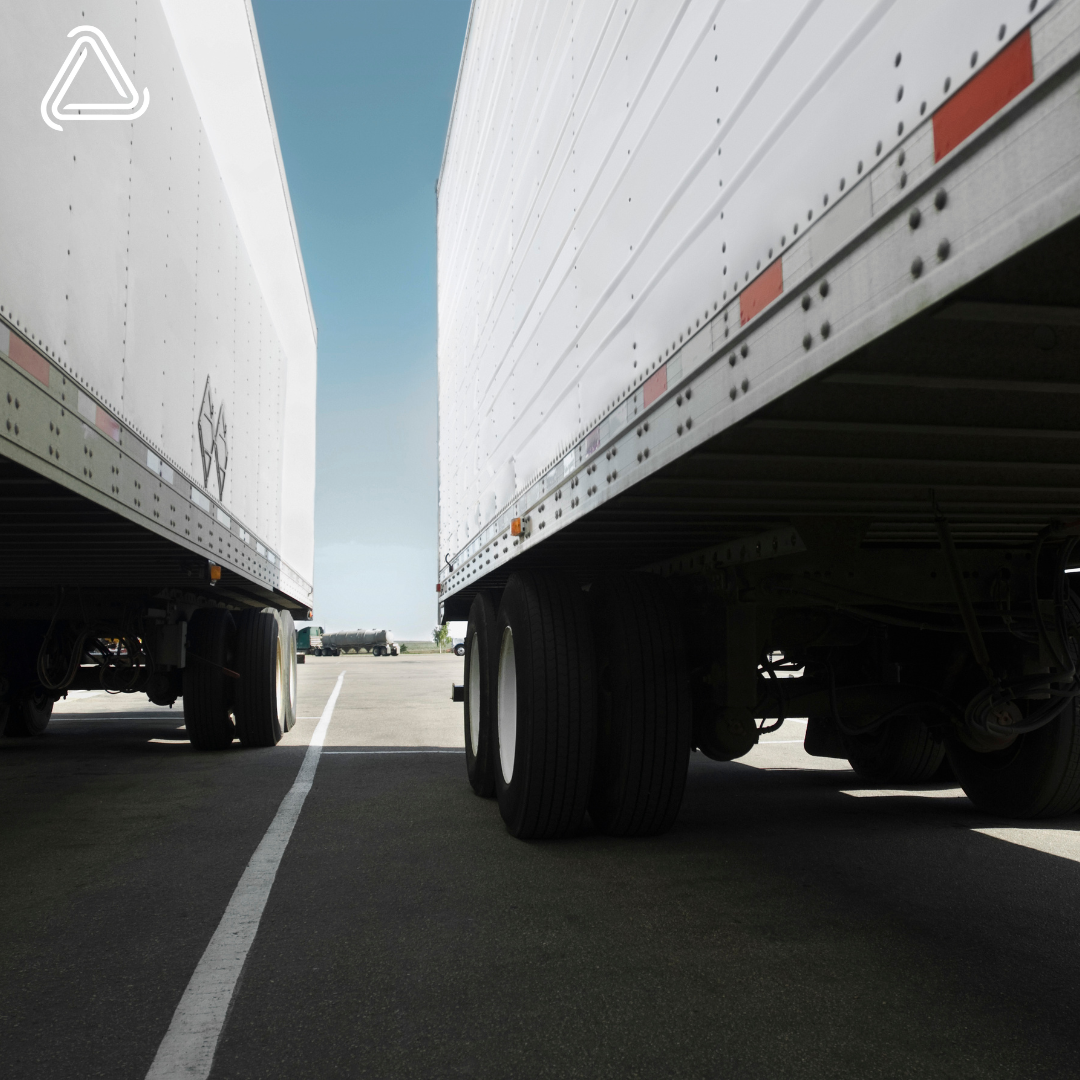
Amid a prolonged freight recession, the trailer‑leasing industry continues to grow — but at a slower, more cautious pace. This year’s 8.3 percent growth is solid, yet it marks a sharp deceleration from last year’s 17.7 percent increase. According to industry leaders, this shift reflects tighter budgets, slower freight volumes, and a growing emphasis on cost control over expansion.
What the Numbers Show
According to the Truck Renting and Leasing Association, this year’s leasing growth rate of 8.3 percent underscores a slowdown compared to prior years. Utilization rates for leased trailers have dipped as well — from as high as 95 percent during the post‑COVID boom to about 80‑85 percent today, with rentals hovering around 70 percent. These drops suggest fleets are guarding cash and avoiding excess capacity in uncertain markets.
Why Fleets Are Choosing Leasing Over Buying
For many carriers, leasing remains the most cost‑effective approach. The high price of purchasing a new trailer — compounded by increased material costs and industry tariffs — makes leasing an attractive alternative. Leasing offers financial flexibility, avoids large capital outlays, and allows companies to scale assets up or down quickly depending on demand.
Leasing also enables carriers to respond to fluctuating freight demand without being stuck with unused trailers. For fleets that experience seasonal spikes or variable volumes, leasing offers a buffer against market volatility.
How Different Carriers are Responding
Larger fleets tend to leverage leasing strategically — combining owned and leased trailers to maximize tax benefits and operational flexibility. Specialty trailers, short‑term leases, and flexible maintenance contracts give these carriers room to adapt without heavy investment.
Smaller and mid‑sized fleets, meanwhile, view leasing as a financial hedge. With tighter credit and higher interest rates, leasing spreads cost over time and avoids the financial risk associated with buying new equipment. This group is especially sensitive to freight volume swings and benefits most from leasing’s lower commitment.
Challenges Remain: Demand, Tariffs, and Idle Capacity
Even with leasing growth, the industry faces significant headwinds. Trailer orders remain weak — September saw a 5 percent year‑over‑year drop in unit orders, according to market data. While overall orders are up for the year, backlog and build‑to‑order ratios are down to just 3.3 months, well below normal.
Steel and aluminum tariffs are also driving up cost pressures. With higher trailer manufacturing costs, full ownership becomes less appealing, but rising lease rates could limit demand among budget‑conscious carriers.
Some lessors report utilization rates dropping below 70 percent for rental inventory — a sign of surplus trailers and shrinking demand. For lessors, this means more idle units, higher overhead per unit, and tough decisions about maintenance and asset disposition.
When Leasing Still Makes Sense
Leasing remains a smart option when:
Fleets want to preserve cash flow instead of buying outright
Carriers expect fluctuating freight volumes or seasonal demand spikes
Shippers demand regulatory‑compliant, well‑maintained trailers without long‑term commitments
Businesses prefer predictable maintenance expenses and avoid asset depreciation risks
Leasing also helps carriers stay adaptable during uncertain economic times, avoiding the liabilities associated with owning underutilized equipment.
Final Thoughts
The modest growth in trailer leasing shows that while freight volumes remain depressed, many carriers are responding with caution rather than expansion. Leasing provides the flexibility and balance many fleets need — a way to maintain capacity without tying up capital in depreciating assets or risking overcommitment. As 2026 approaches, leasing may become an increasingly attractive strategy for both small operators and large carriers navigating industry turbulence.
If you’d like to audit your fleet’s trailer strategy or explore insurance options that protect leased equipment under changing market conditions, contact Allcom Insurance at 866‑277‑9049 or email info@allcomins.com