
EU Keeps U.S. Trade Deal Frozen Over Tariff Uncertainty
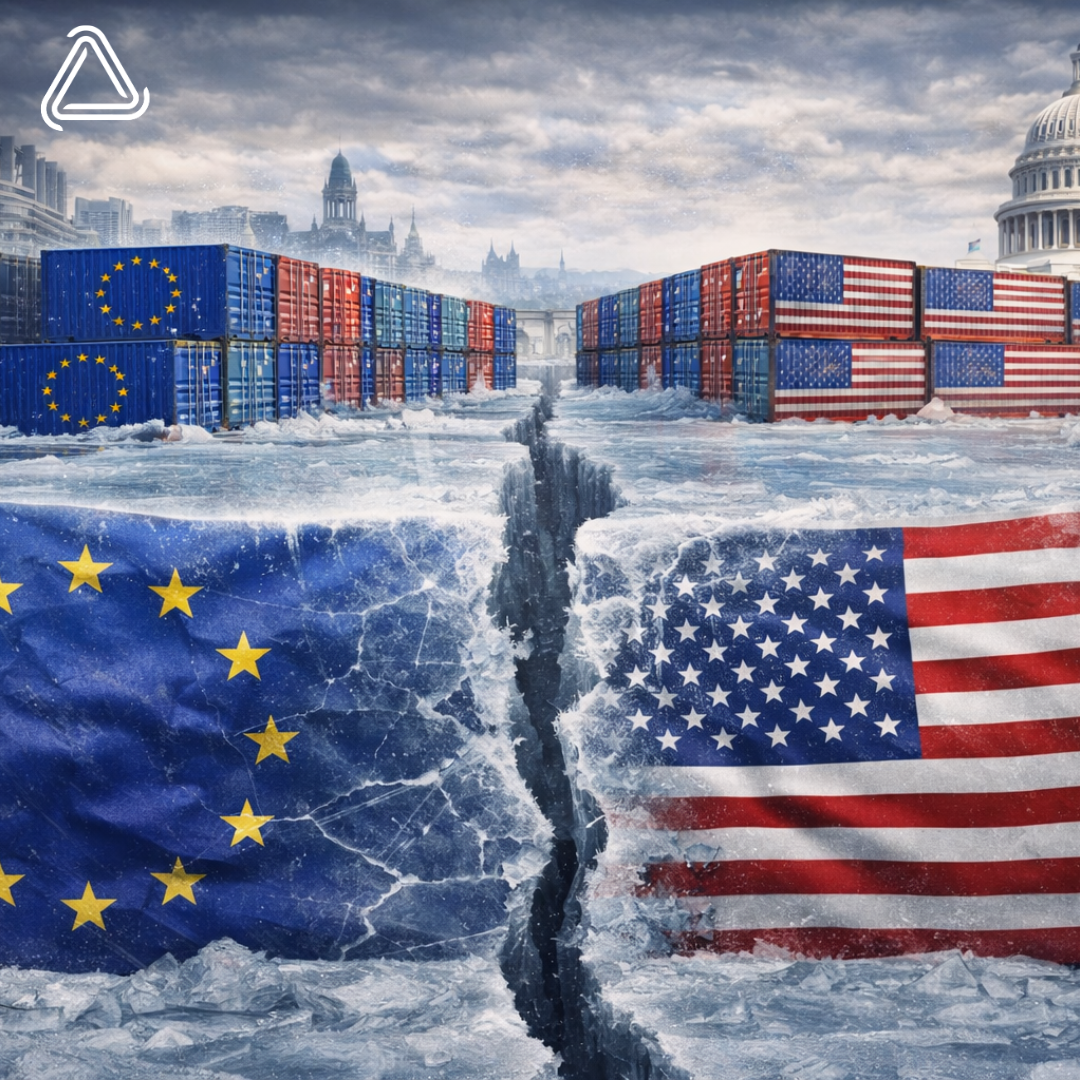
The European Union has decided to keep its trade agreement with the United States frozen as lawmakers seek more clarity on future tariff policy following a major U.S. court ruling.
Members of the European Parliament’s trade committee voted to delay ratification of the deal while waiting for additional information from Washington about how it plans to maintain previously agreed tariff levels on European exports.
The decision adds another layer of uncertainty to an already tense transatlantic trade relationship.
Why the Trade Deal Is on Hold
The EU originally negotiated a trade agreement with the United States last summer that set a 15% tariff ceiling on most European goods entering the American market. In return, the EU pledged to remove tariffs on a wide range of U.S. industrial products.
However, the agreement was thrown into doubt after the U.S. Supreme Court struck down the legal framework used by the Trump administration to implement global reciprocal tariffs.
Since that ruling, the administration has temporarily imposed 10% tariffs on all imports while launching new investigations aimed at establishing a permanent tariff structure.
European lawmakers now want assurances that the previously negotiated tariff limits will remain intact before moving forward with ratification.
EU Lawmakers Want Clarity from Washington
European Parliament trade committee chairman Bernd Lange said lawmakers will seek further clarification from both the U.S. government and the European Commission before deciding whether to move forward.
EU officials are expected to receive updates from the commission about the agreement’s status before reconvening to determine next steps.
Some European leaders have urged parliament to ratify the agreement quickly, arguing that maintaining stable trade relations with the United States is critical to preventing a larger economic dispute.
However, the current political climate has complicated those discussions.
New Political Tensions Add to Trade Uncertainty
Trade tensions escalated further when President Donald Trump recently threatened to suspend trade with Spain after the country refused to allow U.S. forces to use its military bases during operations involving Iran.
The comments introduced additional friction into an already fragile negotiation process.
Spanish officials quickly rejected the pressure, emphasizing that their position reflects broader political and strategic concerns rather than trade policy.
Because the European Union operates as a unified trading bloc, any move targeting a single member state could potentially trigger a larger response from the entire EU.
European leaders have repeatedly emphasized that economic pressure on one member country is effectively pressure on the entire union.
What the Trade Deal Would Do
The original agreement between the U.S. and EU was designed to prevent a full-scale trade conflict while stabilizing tariff policies between two of the world’s largest economic powers.
Key provisions included:
A 15% tariff ceiling on most EU exports to the United States
Removal of tariffs on many American industrial goods entering Europe
Continuation of a 50% U.S. tariff on European steel and aluminum products
While the agreement was partially implemented, it has never received full ratification by the European Parliament.
Recent tariff expansions and geopolitical tensions have only increased skepticism among some EU lawmakers.
Why Global Trade Stability Matters for Freight and Logistics
Trade disruptions between the United States and Europe can have significant ripple effects across global supply chains.
For the transportation and logistics industries, trade policy changes often influence:
Freight demand across international shipping lanes
Container volumes at ports
Supply chain routing decisions
Fuel and commodity price fluctuations
Even trucking companies that operate primarily within the United States can feel the impact when international trade slows or becomes unpredictable.
Supply chain instability can alter freight volumes, pricing, and shipping patterns across multiple sectors.
Preparing for an Uncertain Trade Environment
With global trade policies shifting and geopolitical tensions rising, businesses throughout the transportation industry are increasingly focused on risk management and operational stability.
At Allcom Insurance, we help trucking companies protect their operations against the uncertainties that come with an evolving global economy. From liability protection to cargo coverage and risk management guidance, our team works with fleets across the country to ensure they remain protected no matter how market conditions change.
Call 866-277-9049 or email info@allcomins.com to learn how The Allcom Shield can help safeguard your trucking business in an unpredictable global trade environment.