
Senate Confirms McCormack for Top DOT Policy Post
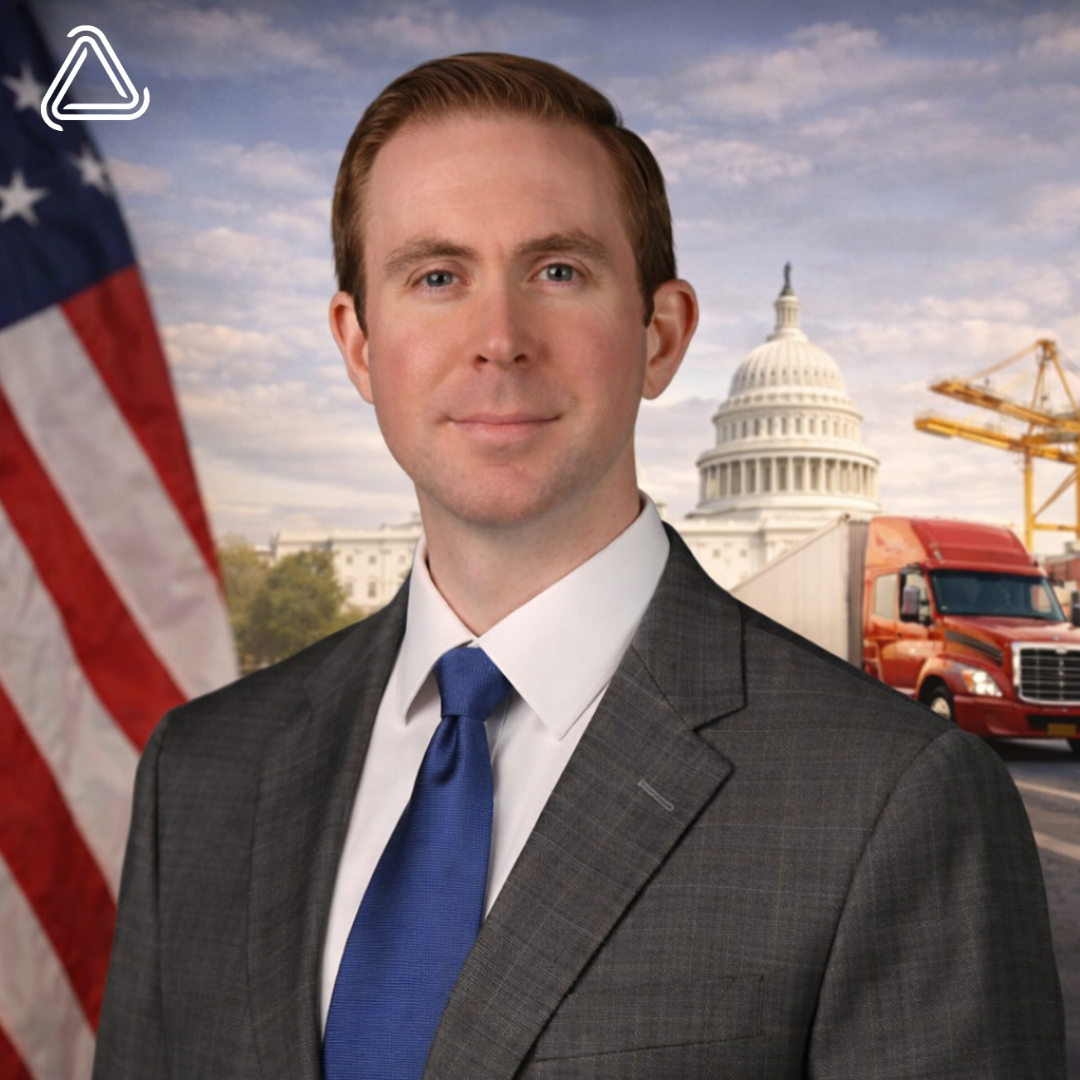
The U.S. Senate has confirmed Ryan McCormack as Under Secretary of Transportation for Policy, filling one of the Department of Transportation’s most influential leadership roles at a time when federal agencies are placing renewed emphasis on freight mobility, infrastructure investment, and roadway safety.
The 57–33 vote expands Transportation Secretary Sean Duffy’s leadership team and places McCormack at the center of shaping national transportation policy affecting highways, trucking, logistics networks, and supply chain infrastructure.
With more than 40,000 annual roadway fatalities reported in recent federal data, safety initiatives are expected to play a major role in the department’s policy agenda moving forward.
A Key Role in Shaping Transportation Policy
As Under Secretary for Policy, McCormack will oversee development of transportation strategy across multiple areas, including:
Surface transportation planning
Freight mobility and supply chain efficiency
Highway safety initiatives
Emerging transportation technologies
The position is one of the most important policy roles within the Department of Transportation, acting as the primary strategic advisor responsible for coordinating policy across multiple federal transportation agencies.
McCormack previously served as the department’s deputy chief of staff and has spent years working on transportation issues in Congress, giving him deep experience navigating both legislative and regulatory environments.
Safety Remains a Top Priority
During his confirmation process, McCormack emphasized that improving roadway safety will remain one of his top priorities.
In testimony before the Senate Commerce Committee, he pointed to the alarming number of traffic-related deaths each year and pledged to align his work with the department’s “safety first” strategy.
Reducing crash fatalities, strengthening enforcement of safety standards, and improving roadway infrastructure are all expected to be key components of DOT’s policy direction under the current administration.
Transportation leaders have increasingly focused on the role of advanced technology, improved vehicle standards, and smarter infrastructure planning to help address long-standing safety challenges.
Preparing for the Next Highway Bill
Another major responsibility awaiting McCormack will be helping guide the administration’s priorities for the next federal highway reauthorization bill.
The House Transportation and Infrastructure Committee is expected to consider a multiyear $550 billion surface transportation package in the near future. This legislation will determine funding levels and policy priorities for highways, bridges, freight corridors, and other infrastructure programs for years to come.
As the department’s primary policy strategist, McCormack’s office will play a central role in coordinating with Congress to shape the administration’s position on infrastructure spending, freight development, and regulatory policy.
For the trucking industry, decisions tied to the upcoming highway bill could influence everything from freight corridor investments to safety rules and enforcement priorities.
Additional Transportation Leadership Changes
The Senate also recently confirmed John DeLeeuw to serve on the National Transportation Safety Board.
DeLeeuw previously served as managing director of safety and efficiency at American Airlines and brings extensive aviation safety experience to the investigative agency.
The NTSB plays a critical role in analyzing transportation accidents and issuing recommendations designed to prevent future tragedies across aviation, rail, maritime, and highway transportation.
Additional nominations related to transportation and commerce policy are still awaiting confirmation votes in the Senate.
What This Means for the Trucking Industry
Leadership changes within the Department of Transportation often signal shifts in policy focus that can directly impact trucking companies, logistics providers, and freight networks.
With major infrastructure legislation on the horizon and federal safety enforcement increasing in several areas, trucking companies should expect continued regulatory attention in the years ahead.
Potential areas of impact include:
Highway infrastructure funding
Freight corridor development
Safety enforcement and compliance
Emerging transportation technologies
Supply chain efficiency initiatives
For fleets and logistics operators, understanding these policy developments can help anticipate regulatory changes and prepare for future operational requirements.
Staying Prepared for Regulatory Changes
As federal transportation policy continues to evolve, staying ahead of regulatory developments is essential for protecting your business.
At Allcom Insurance, we help trucking companies navigate regulatory changes while maintaining the right coverage to protect their operations. From liability protection to cargo coverage and risk management guidance, our team works with fleets of all sizes to ensure they remain protected as the industry evolves.
Call 866-277-9049 or email info@allcomins.com to learn how The Allcom Shield can help keep your operation protected in an increasingly complex regulatory environment.