
Gas Prices Surge as Iran Conflict Disrupts Global Oil Markets
Drivers and trucking companies across the United States are once again feeling pressure at the pump as fuel prices continue climbing due to ongoing conflict in the Middle East.
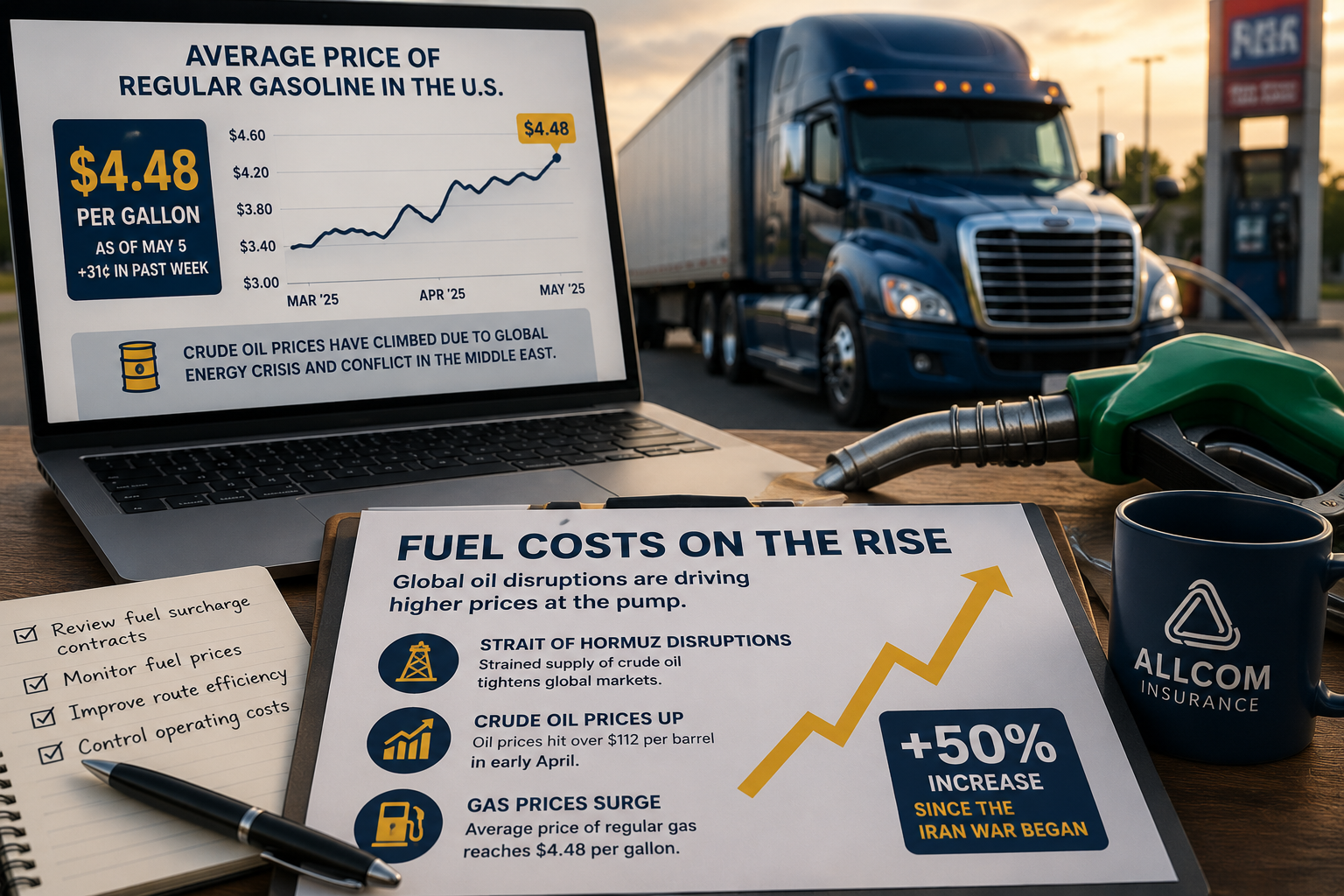
According to AAA, the national average price for regular gasoline jumped 31 cents in just one week, reaching $4.48 per gallon on May 5. Since the conflict with Iran began, gasoline prices have increased by roughly 50%, creating significant concern for both consumers and the transportation industry.
For trucking companies already facing tighter freight margins and rising operational costs, the fuel spike is becoming one of the biggest financial pressures heading into summer.
Why Are Gas Prices Rising So Fast?
The main driver behind the surge in fuel prices is the disruption of global oil supply routes tied to the conflict surrounding the Strait of Hormuz.
The Strait of Hormuz is one of the world’s most important energy shipping corridors, with roughly 20% of global crude oil supplies normally passing through the region. As military tensions escalated, oil tankers became stranded and shipping activity slowed dramatically, creating major supply disruptions across global energy markets.
As oil supply tightens, crude oil prices rise — and gasoline and diesel prices typically follow shortly after.
Industry analysts say the continued restrictions around Hormuz are creating ongoing upward pressure on energy markets with no immediate resolution in sight.
How Does Crude Oil Affect Gasoline and Diesel Prices?
Crude oil remains the largest factor in determining fuel prices across the United States.
According to the Energy Information Administration, crude oil represented roughly 51% of the average price of gasoline in 2025. That means when oil prices spike, fuel prices at the pump often move quickly alongside them.
In early April, oil prices surged above $112 per barrel following the disruption in the Persian Gulf. Analysts noted that gasoline prices closely mirrored those increases with very little delay.
Federal taxes, refining costs, distribution expenses, and state regulations also contribute to fuel pricing, but crude oil supply disruptions remain the primary driver behind rapid spikes like the one currently affecting the market.
Why Are Trucking Companies Paying Close Attention?
For trucking companies, rising fuel prices can create immediate financial strain.
Diesel fuel is one of the largest operational expenses for fleets, owner-operators, and freight carriers. Even moderate increases in diesel costs can significantly impact profitability, especially in weaker freight markets where rates remain compressed.
As fuel prices rise, trucking companies often face:
Higher operating expenses
Increased fuel surcharge pressure
Reduced profit margins
More selective load acceptance
Increased cash flow stress
Smaller carriers and independent owner-operators are often hit hardest because they have less flexibility when fuel costs spike unexpectedly.
Could Fuel Prices Continue Climbing?
Industry experts warn that prices may remain elevated for an extended period, even if tensions begin easing.
While temporary ceasefire announcements briefly lowered fuel prices in mid-April, continued instability in the region caused markets to reverse course and begin climbing again. Analysts say there is still substantial uncertainty surrounding future oil flow through the Strait of Hormuz.
Energy researchers also point to additional pressure created by efforts to restrict Iranian oil exports, which further tightened global supply availability.
Even if shipping conditions improve, analysts believe insurance costs, shipping risks, and market uncertainty could keep oil and fuel prices elevated for months.
What Does This Mean for the Freight Industry?
The trucking industry is already operating in a difficult freight environment marked by fluctuating demand, compressed rates, and rising operating costs.
Fuel spikes only increase the pressure.
When diesel prices rise quickly, carriers are often forced to:
Renegotiate freight rates
Focus on shorter lanes
Reduce unnecessary mileage
Delay expansion plans
Increase operational efficiency efforts
For some fleets, prolonged fuel volatility may accelerate consolidation across the industry as smaller carriers struggle to absorb rising costs.
How Can Trucking Companies Prepare for Fuel Volatility?
While no fleet can fully control global fuel markets, there are several ways trucking companies can reduce exposure to sudden cost increases.
How trucking companies can reduce fuel-related risk:
Monitor fuel surcharge programs closely, improve route efficiency, reduce idle time, and review operational costs regularly to identify areas where margins can be protected during periods of volatility.
Many fleets are also focusing more heavily on long-term financial planning and risk management as global instability continues affecting transportation markets.
Final Thoughts
The ongoing conflict involving Iran and the disruption surrounding the Strait of Hormuz are once again reminding the transportation industry how closely global events impact domestic trucking operations.
As fuel prices continue climbing, trucking companies are being forced to adapt quickly while balancing freight demand, operating costs, and financial risk.
At Allcom Insurance, we work with trucking companies every day to help protect operations against the unexpected. From trucking insurance coverage and cargo protection to broader operational risk management, having the right partner in place helps keep your business moving forward during uncertain market conditions.
Call 866-277-9049 or email info@allcomins.com to make sure your operation is backed by The Allcom Shield.