
What Iraq’s Oil Export Surge Could Mean for Trucking Companies and Fuel Prices
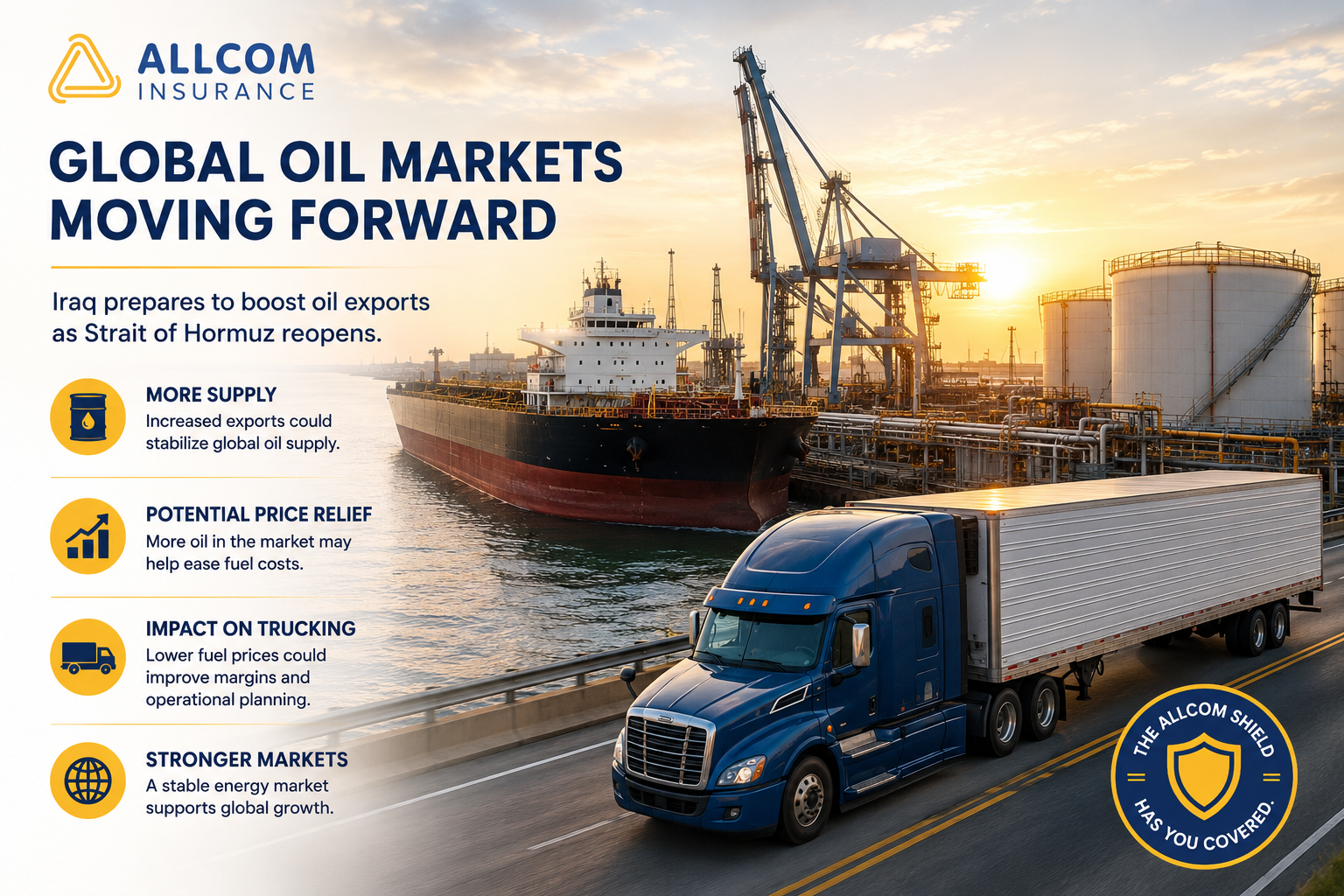
After months of disruption in one of the world's most important energy corridors, Iraq is preparing to significantly increase oil exports as the Strait of Hormuz moves closer to reopening.
The announcement comes after a proposed agreement between the United States and Iran that could restore maritime traffic through the strategic waterway. For global energy markets, the reopening could help ease supply concerns that have driven oil prices higher throughout the conflict. For trucking companies, it could eventually bring much-needed relief at the fuel pump.
Why Is the Strait of Hormuz So Important?
The Strait of Hormuz serves as one of the most critical oil shipping routes in the world. A significant portion of global crude oil exports pass through this narrow waterway connecting the Persian Gulf to international markets.
When hostilities disrupted shipping activity over the past several months, oil supplies tightened and energy prices reacted quickly. The uncertainty surrounding the route contributed to increased volatility in both crude oil and diesel markets.
Now, with a formal reopening agreement expected, major oil-producing nations are preparing to restore exports and move additional supply into global markets.
How Much Oil Is Iraq Preparing to Export?
According to Iraq's Oil Ministry, the country is already making preparations to increase crude shipments as soon as maritime traffic fully resumes.
State oil officials have reportedly begun coordinating tanker nominations with buyers, allowing exports to ramp up quickly once conditions stabilize. Iraq has already increased shipments through the region in recent weeks and is working toward restoring exports closer to pre-conflict levels.
While production may take time to fully recover, Iraqi officials have indicated that export infrastructure remains largely intact, positioning the country to increase supply relatively quickly.
Could More Oil Exports Lower Fuel Prices?
Potentially, yes.
Oil prices generally respond to supply and demand. When more crude oil enters global markets, it can help relieve supply shortages and place downward pressure on prices.
Since news of the potential Hormuz reopening emerged, benchmark crude prices have already fallen from recent highs as traders anticipate additional supply becoming available.
While lower crude prices do not immediately translate into cheaper diesel and gasoline, increased oil exports could help stabilize fuel markets if supply disruptions continue to ease.
How trucking companies can prepare:
Continue monitoring fuel costs closely and avoid assuming immediate price reductions. Fuel markets often take time to fully respond to changes in global oil supply.
What Does This Mean for Trucking Companies?
For trucking companies, fuel remains one of the largest operating expenses.
Over the past several months, rising energy costs have added pressure to carriers already dealing with fluctuating freight demand, maintenance expenses, insurance costs, and equipment challenges.
If additional oil exports help stabilize global energy markets, carriers could benefit from:
More predictable diesel pricing
Reduced fuel surcharge volatility
Improved budgeting accuracy
Better operating margins
Lower transportation costs across supply chains
However, industry analysts caution that any recovery will likely happen gradually rather than overnight.
Will Fuel Prices Return to Pre-Conflict Levels?
Not necessarily.
While additional oil supply may help moderate prices, several factors continue to influence energy markets, including geopolitical risks, refinery capacity, global demand, and transportation costs.
Experts believe fuel prices could remain elevated compared to pre-conflict levels even if the Strait of Hormuz fully reopens. The speed at which oil producers restore production and move exports through the region will play a major role in determining future price trends.
For trucking companies, maintaining flexibility remains critical as market conditions continue evolving.
Why Fleet Operators Should Still Focus on Risk Management
Even if fuel prices begin to stabilize, the events surrounding the Strait of Hormuz serve as another reminder of how quickly global events can impact domestic transportation operations.
Unexpected spikes in fuel costs can affect profitability, freight planning, and overall business performance. Companies that actively monitor operating expenses and maintain strong risk management strategies are often better positioned to weather market disruptions.
How trucking companies can reduce fuel-related risk:
Focus on route optimization, fuel-efficient driving practices, preventative maintenance, and regular reviews of operating expenses to help control costs during periods of market volatility.
Final Thoughts
The planned reopening of the Strait of Hormuz and Iraq's efforts to increase oil exports could provide welcome relief to global energy markets after months of disruption. While the recovery is expected to be gradual, additional supply may help ease pressure on crude oil and diesel prices moving forward.
For trucking companies, staying informed about fuel market developments remains an important part of managing operational costs and protecting profitability.
At Allcom Insurance, we help trucking companies navigate uncertainty every day. From trucking insurance and cargo coverage to risk management solutions designed specifically for transportation businesses, we're committed to helping fleets stay protected no matter what challenges arise.
Call 866-277-9049 or email info@allcomins.com to learn how The Allcom Shield can help protect your trucking operation.